
How to design a landscape can seem overwhelming, but it doesn’t have to be. With a few key steps, you can create a beautiful outdoor space that meets your needs. Here’s a quick overview:
Understanding landscape design is the first step towards creating a functional and beautiful outdoor space. It’s not just about picking pretty plants; it’s about making sure everything works together. Good planning is crucial because it helps you avoid costly mistakes and ensures your landscape will be both beautiful and practical.
By thinking through these basics and taking your time with the planning process, you’ll set the foundation for a successful landscape design. Your yard should be an extension of your home—well-planned and thoughtfully designed.
Before diving into the details of how to design a landscape, it’s crucial to understand the unique characteristics of your yard. This involves a thorough site analysis, considering microclimates, topography, soil type, and referencing the USDA Plant Hardiness Zone Map. Here’s how to get started:
A site analysis is like getting to know your yard’s personality. Start by observing:
Your yard likely has several microclimates—areas with different sun and shade patterns. Microclimates are typically categorized as:
Knowing your yard’s microclimates helps you select plants that will thrive in each area.
Topography refers to the shape and features of your land. Is your yard flat, sloped, or hilly? Understanding the topography is essential for:
Your soil type affects plant health and growth. Common soil types include:
You can test your soil type by taking a sample to a local garden center or using a home test kit. Knowing your soil type helps in amending it to suit your plants’ needs.
The USDA Plant Hardiness Zone Map is a valuable tool for selecting plants that will thrive in your climate. Here’s how to use it:

Understanding these aspects of your landscape will help you make informed decisions, ensuring your design is both beautiful and sustainable.
Next, we’ll explore planning for use and maintenance, focusing on how to cater to your needs and lifestyle.
Designing a landscape isn’t just about aesthetics; it’s also about making sure it fits your lifestyle and needs. Let’s break down the key factors to consider when planning your landscape for use and maintenance.
First, think about how you want to use your space. Are you looking for a serene retreat, a place to entertain, or a functional area for gardening? Here are some common uses:
Your maintenance style will influence your plant and material choices. Ask yourself:
Your budget will shape the scope of your project. It’s okay to dream big, but be realistic about what you can afford. Here’s how to manage your budget effectively:
If you love hosting outdoor gatherings, make sure your landscape supports it. Consider these elements:
Designing a landscape for children and pets requires some special considerations:
By considering these factors, you’ll create a landscape that is not only beautiful but also functional and easy to maintain. Next, we’ll delve into the basics of how to design a landscape, covering essential principles and tools to get you started.
Designing a landscape can seem daunting, but breaking it down into manageable steps makes it easier. Here, we’ll cover essential principles and tools to get you started, including the Plan-a-Garden app and key landscape design principles like Proportion, Order, Repetition, and Unity.
One of the easiest ways to start your landscape design is by using the Plan-a-Garden app. This free tool allows you to visualize your garden by adding plants, hardscape elements, and other features to a virtual space. It’s like having a sandbox where you can experiment without any real-world consequences.

Understanding the principles of landscape design helps you create a yard that is both beautiful and functional. Let’s delve into the key principles:
Proportion is all about the size relationship between elements in your landscape. Imagine a giant tree next to a tiny bench. It feels off, right? That’s because the proportion is skewed. Keep things in scale. Your outdoor furniture, plants, and decorative features should all fit comfortably with each other and the overall size of your yard.
Order refers to the organization and balance within the landscape. Think of it as the structure that holds everything together. This can be achieved through symmetry or asymmetry.
Repetition adds rhythm to your landscape by repeating patterns or colors throughout the space. This guides the eye and creates a sense of movement.

Unity is about harmony. Every piece in your garden should look like it belongs. This doesn’t mean everything must match perfectly. Instead, it’s about creating a theme or using similar colors, textures, or shapes to tie different areas together.
By applying these principles, you create not just a garden, but a well-composed outdoor living space that reflects balance, harmony, and beauty. Next, let’s move on to selecting the right plants and features for your landscape to bring your design to life.
Choosing the right plants and features is crucial to making your landscape both beautiful and functional. Here’s how to get started:
Plants can serve multiple functions in a landscape. They can provide:
Plants can also act as barriers to define areas within your landscape and to mark boundaries. For example, tall plants can block views and create privacy, while low-growing plants can form implied barriers that guide movement without obstructing views.
Barrier plants help define spaces and control access. Use them to:
Strategically placed plants can modify your landscape’s microclimate. Trees can provide shade to cool down areas, while shrubs can block chilly winds.
When selecting plants, consider the different visual planes: overhead, vertical, and ground.
This includes anything above eye level, like tree canopies and archways. These elements can create a sense of enclosure and intimacy.
This is where you consider the height and spacing of plants. Layering plants by height can add depth and interest to your landscape.
This includes ground covers, smaller plants, and hardscapes like paths and patios.
By understanding and utilizing the functions of plants and considering the various visual planes, you can create a landscape that is not only beautiful but also practical and sustainable.
Next, let’s dive into the implementation phase where we discuss hardscape installation, irrigation systems, and more.
Now that you have a plan, it’s time to bring it to life. This section covers the critical steps of hardscape installation, irrigation systems, plant installation, water efficiency, and rainwater catchment systems.
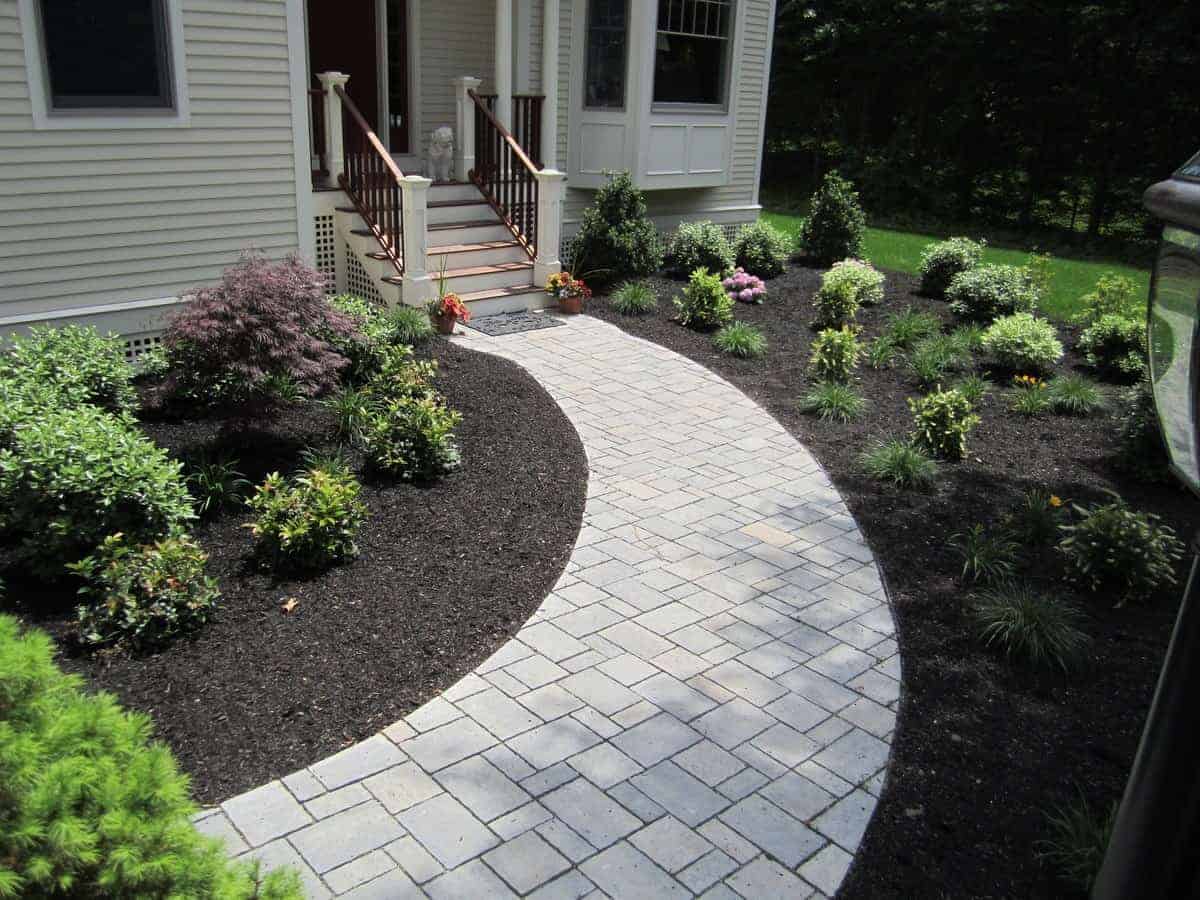
Hardscaping provides the structure for your garden. Think of it as the bones of your landscape.
Start with a Plan:
– Walkways and patios should be placed where they are most useful. For example, a patio close to the house for easy access.
– Retaining walls can help manage slopes and create level planting areas.
Choose Materials Wisely:
– Materials like stone, brick, and concrete are durable and can complement your home’s architecture.
– Consider the maintenance needs of each material. For instance, natural stone may require less upkeep than wood.
Example: A client in Tewksbury, MA, used flagstone for their patio, which blended beautifully with their home and required minimal maintenance.
Efficient watering is key to a thriving landscape.
Types of Irrigation:
– Drip irrigation is excellent for water efficiency as it delivers water directly to the plant roots.
– Sprinkler systems are suitable for larger lawns but can waste water if not properly managed.
Automation:
– Automated timers ensure your garden gets watered at the best times, even when you’re not home.
Example: McLeod Landscaping installed an automated drip irrigation system for a client, reducing water usage by 30%.
Once the hardscapes and irrigation systems are in place, it’s time to plant.
Steps for Planting:
1. Prepare the Soil: Test and amend the soil as needed.
2. Plant Selection: Choose plants suited to your local climate and soil conditions.
3. Planting Techniques: Dig holes that are twice as wide as the root ball but not deeper. This gives roots room to spread.
Example: A homeowner in Tewksbury added native plants like New England Aster and Black-Eyed Susan to ensure low maintenance and high resilience.
Water efficiency is crucial for a sustainable landscape.
Tips for Water Efficiency:
– Use mulch to retain soil moisture and reduce evaporation.
– Group plants with similar water needs together.
– Opt for native plants that require less water.
Example: By grouping drought-tolerant plants in one area, a client significantly reduced their water bill.
Rainwater catchment systems are a great way to make your landscape more sustainable.
Benefits:
– Provides a free source of water for irrigation.
– Reduces runoff and erosion.
Installation:
– Simple systems include rain barrels connected to downspouts.
– More complex systems can incorporate underground cisterns.
Example: A client installed a rainwater catchment system that collected enough water to irrigate their garden throughout the summer.
By following these steps, you’ll bring your landscape design to life in a way that is both beautiful and sustainable. Next, we’ll explore different landscape design themes and styles to inspire your creativity.
Choosing the right theme for your landscape design can make a huge difference. It helps unify your space and makes it feel cohesive and intentional. Let’s dive into some key aspects to consider.
Selecting a theme starts by thinking about what you want from your outdoor space. Do you want a place to relax, entertain, or maybe a bit of both? Your theme should reflect your needs and personal style.
Tip: Look at the architecture of your home. Your yard should complement your home’s style to create a seamless transition between indoor and outdoor spaces.
Architectural harmony means aligning your landscape design with the style of your home. If you have a modern home, consider clean lines and minimalist plantings. For a cottage-style home, think about lush gardens with winding paths.
Example: A client with a Victorian-style home chose a garden with ornamental grasses and wrought iron accents to match the intricate details of their house.
There are many types of gardens to choose from. Here are a few popular ones:
Fact: According to the American Society of Landscape Architects, themed gardens are becoming increasingly popular for their ability to transform outdoor spaces into personalized retreats.
A relaxation garden is all about creating a serene and peaceful environment. Use plants that sway in the breeze, like ornamental grasses, and add a water feature for calming sounds.
Tip: Incorporate comfortable seating and shaded areas to enhance the relaxing atmosphere.
An Oriental garden focuses on simplicity and natural beauty. Use elements like rocks, water, and minimalist plantings to create a balanced and peaceful space.
Quote: “The best part about my Oriental garden is the sense of calm it brings. It’s my go-to spot for meditation,” says a satisfied McLeod Landscaping client.
By considering these themes and styles, you can create a landscape that not only looks beautiful but also feels right for your home and lifestyle. Up next, we’ll explore how McLeod Landscaping can help bring your vision to life.
When it comes to turning your landscape dreams into reality, McLeod Landscaping stands out with its comprehensive services and landscape design expertise.
McLeod Landscaping offers a full range of services to cater to every aspect of your landscape project. From the initial consultation to the final touches, they ensure every detail is covered.
Key Services Include:
Their team of professional designers works closely with you to develop a layout that reflects your preferences and the unique characteristics of your property.
Design Highlights:
By utilizing advanced software, McLeod Landscaping creates realistic simulations. This allows you to visualize the final outcome and make informed decisions before any physical work begins.
Once the design is finalized, McLeod Landscaping’s experienced construction team takes over. They handle everything from hardscaping to planting, ensuring every detail aligns with the agreed-upon design.
Installation Services:
After the project is complete, McLeod Landscaping offers follow-up and maintenance services to ensure your outdoor space continues to thrive. Whether you need advice on plant care or seasonal maintenance, they are there to support you.
By choosing McLeod Landscaping, you can be confident that your landscape design will be brought to life with expertise and dedication.
Designing a landscape can feel like a big task, but with the right planning and guidance, it becomes an exciting journey from concept to creation. Understanding your landscape’s potential and planning for use and maintenance are crucial first steps.
Knowing your yard and its unique conditions will help you choose the right plants and features. Consider the needs of everyone who will use the space, including children and pets. Following landscape design principles like proportion, order, repetition, and unity ensures a cohesive and beautiful result.
When it comes to implementing your design, start with hardscape installation, followed by irrigation systems and plant installation. Focus on water efficiency to create a sustainable garden.
Selecting a theme or style that complements your home’s architecture can unify your landscape. Whether you prefer a relaxation garden or an Oriental garden, the right theme ties everything together.
At McLeod Landscaping, we specialize in turning your landscape dreams into reality. From initial planning to final touches, our comprehensive services ensure your outdoor space is both beautiful and functional.
Final Thoughts:
Don’t rush the process. Take it step by step, and enjoy each phase of transforming your outdoor space. With careful planning and the right help, your landscape can become a stunning extension of your home.
Encouragement to Start Planning:
Now is the perfect time to start planning your landscape. Use the tips and insights we’ve shared to guide you. And remember, McLeod Landscaping is here to help every step of the way. Let’s create a landscape that enhances your home and brings joy to your life.

Contact McLeod Landscaping today at (978) 640-0957 or click here to schedule a consultation for retaining wall installation. Let our experienced team design and install a functional and visually appealing retaining wall that enhances your landscape.

1881 Main St Unit 1, Tewksbury, MA 01876